

The Civilian Conservation Corps left a lasting mark on north-central Louisiana, where young men struggling through the Great Depression helped replant the newly-created Kisatchie National Forest. A small community in the heart of the forest is now working to preserve their story.

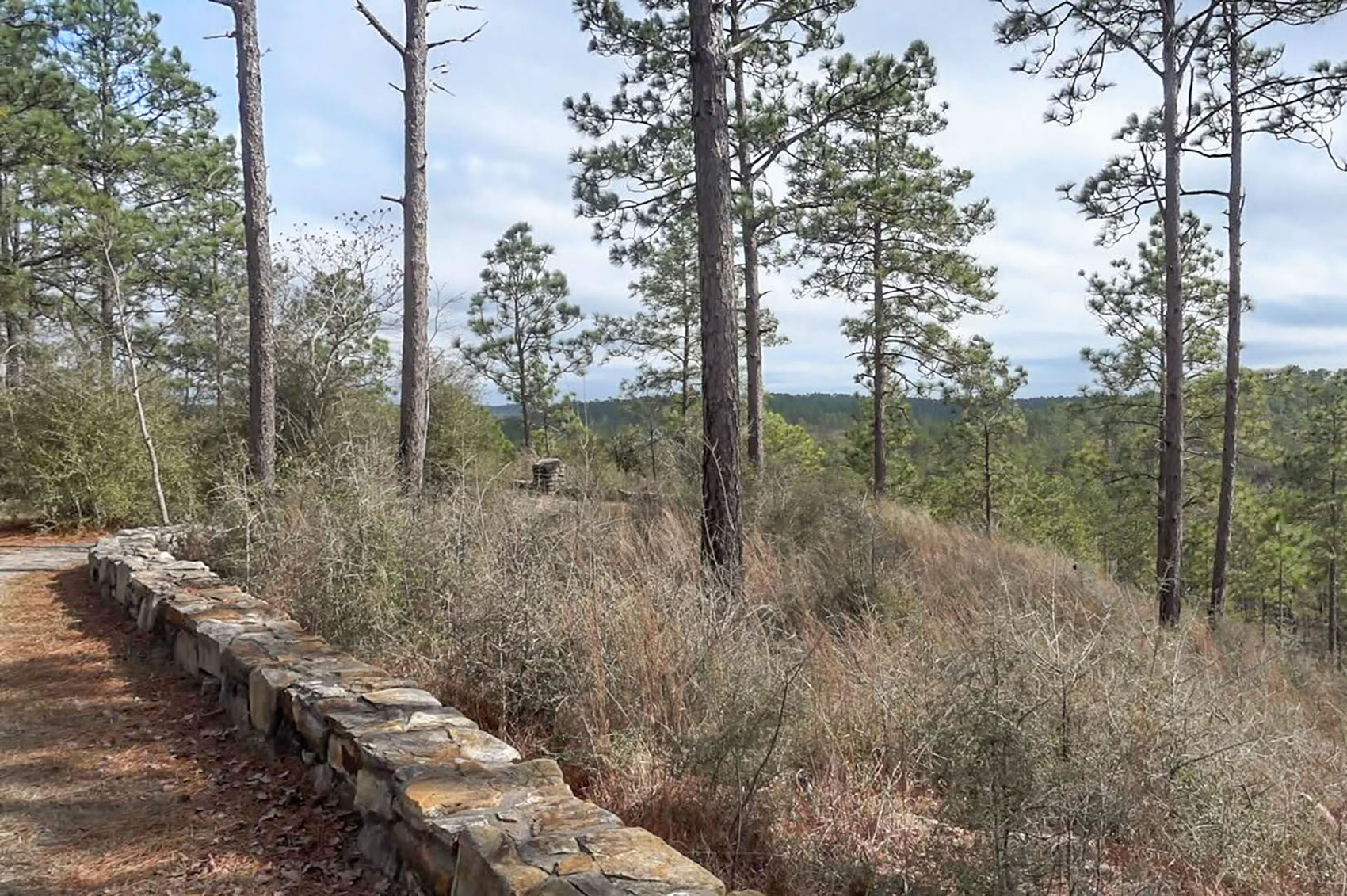
Tucked among the pine trees near the Winn Parish community of Calvin are the fading remnants of a remarkable chapter in Louisiana history. Hidden beneath leaves and pine straw are brick and concrete foundations that once supported a busy Civilian Conservation Corps camp. Today, community members are hoping those remnants will become the centerpiece of a memorial honoring the men who lived and worked there.
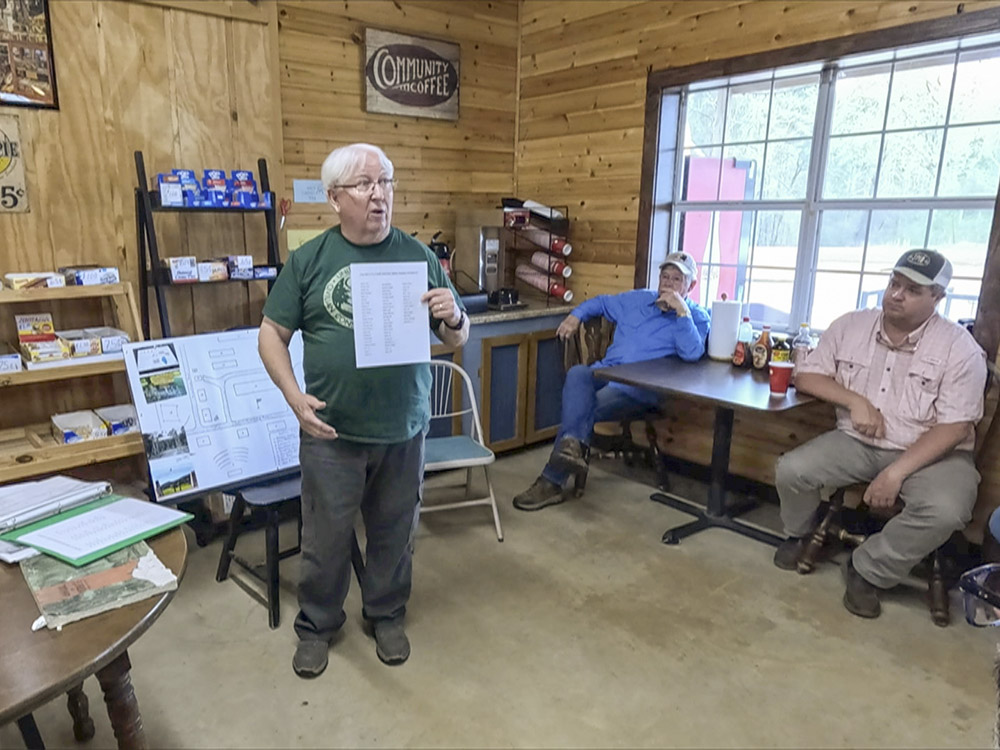
At the center of the effort is Ken Bates, a retired history teacher whose father was a member of the local CCC camp. Inside Bates’ Wattsville Center, a combination coffee shop, general store, and museum, residents gather to discuss plans for a memorial park that would recognize the camp and the people connected to it.

“Buster’s dad was in the CCC, Kelly’s dad was in the Calvin CCC, my dad was in the Calvin CCC before he was transferred,” Bates said during one community meeting.
civilian conservation corps filled a dire need
For many families in the area, the CCC provided an opportunity during difficult times. “This was a community thing that the people around here knew that it was important because this was a depression and this was a no money area,” Bates explained.
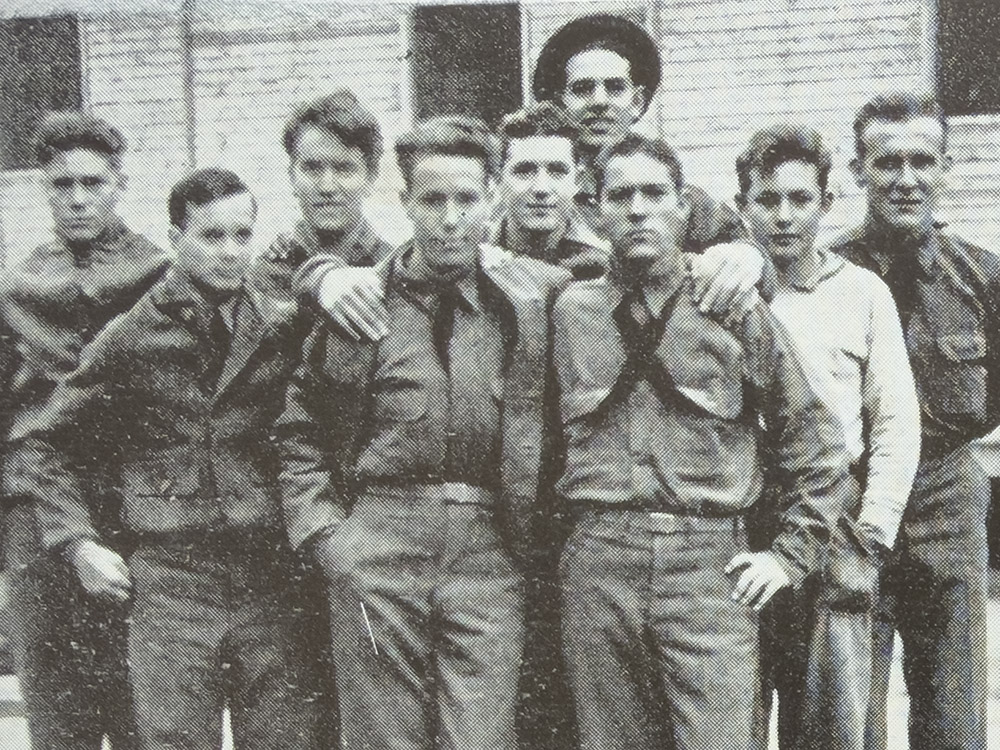
Kelly Fannin’s father was among the young men who joined the corps. Fannin said the work was demanding, but it provided income when jobs were scarce. “They worked hard and made very little money, but there was more money than they could make at home,” Fannin said. Workers earned just $30 a month, with most of the money sent back to support their families.
the ccc replanted a forest
When the CCC arrived in the newly formed Kisatchie National Forest in 1933, much of the land had already been heavily logged. “So much of the forest had been cut, logged out, had not been replanted,” said Forest Service spokesman Jim Caldwell. The young men became known as the “Tree Army.” Armed with dibble bars and seedlings, they planted trees one by one across thousands of acres. “This army of young men,” Caldwell said, “could take a few steps, put that hole in the ground, drop the seedling in, push the soil back around it, and move on to the next spot.” The Corps planted millions of trees by hand.
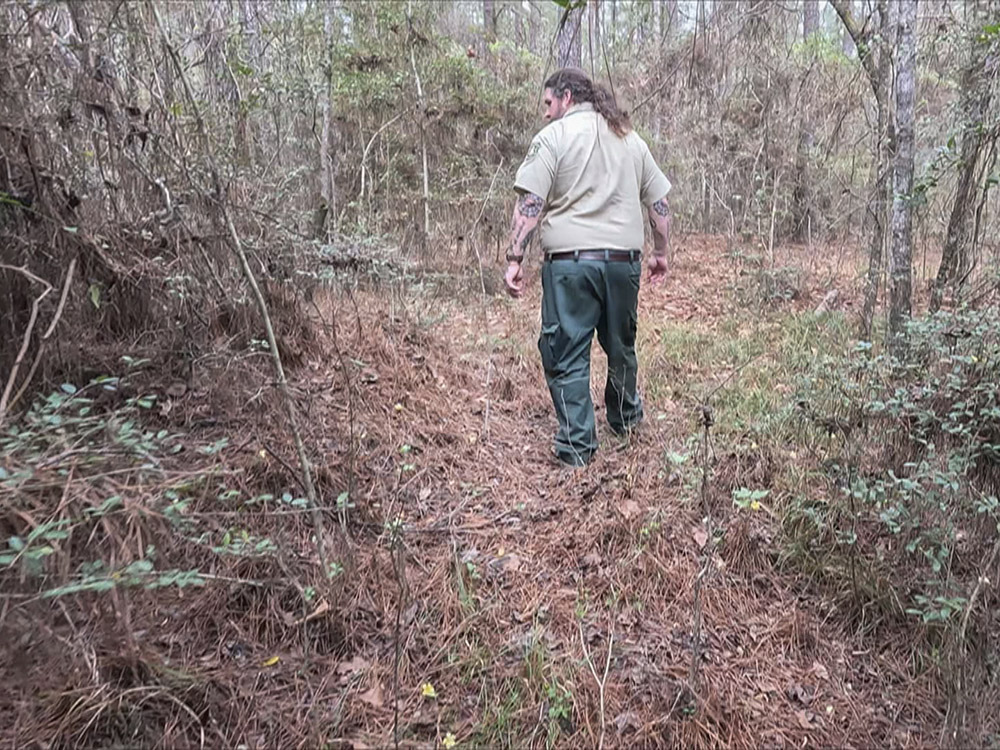
Today, Forest Service archaeologist Steve Treloar sees the remaining foundations as more than forgotten ruins. “It’s a whisper of a bygone era, something that you don’t want to give up too easily,” Treloar said.
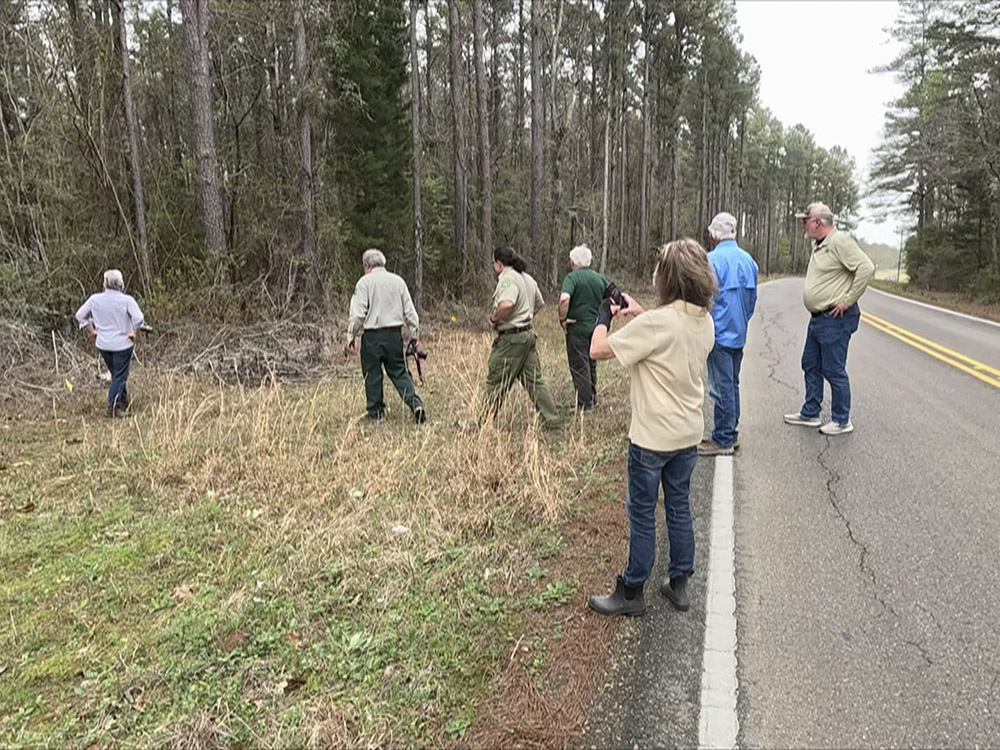
That sentiment is driving the effort to create a memorial park. Bates hopes future generations will understand both the sacrifices and accomplishments of the men who worked there. “We want their names to be there,” Bates said. “We also wanted to preserve it so that the upcoming generations will see, hey, things weren’t always easy, that people had to work to get things done.” Nearly a century later, the forest surrounding Calvin remains a living reminder of that work, and of a legacy that continues to grow.
Leave a Reply