
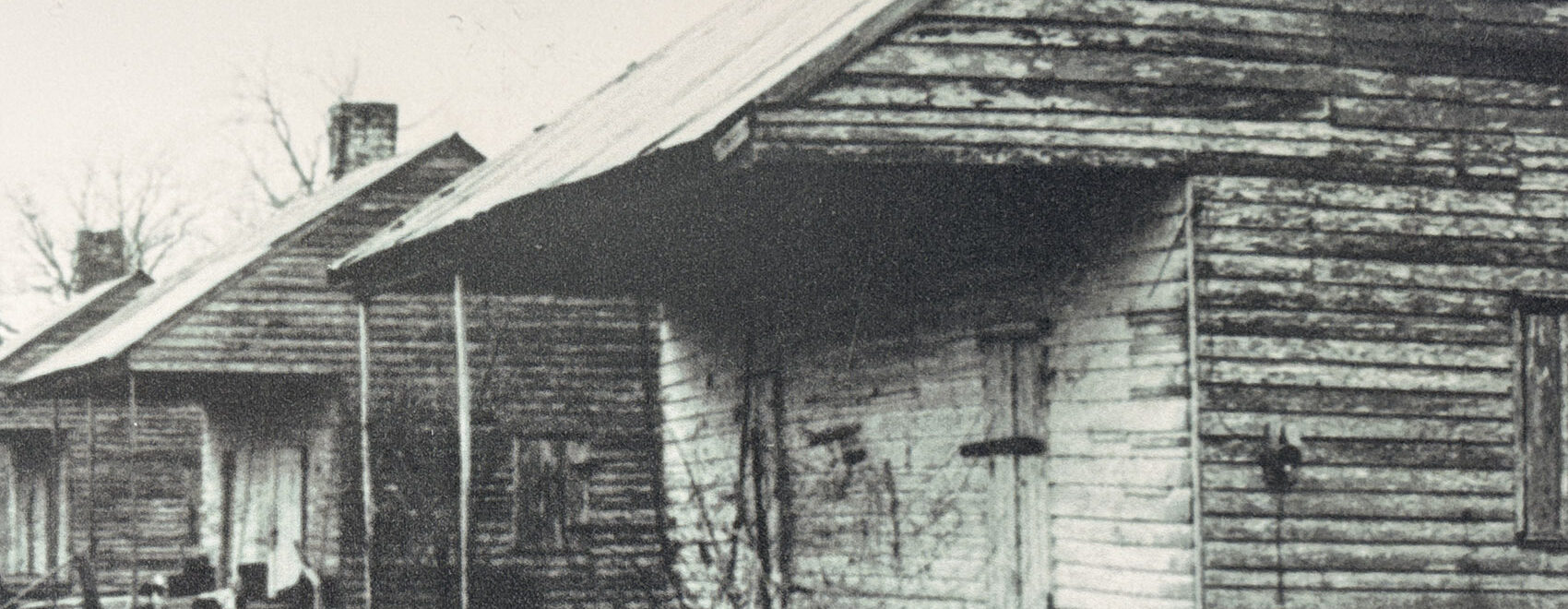
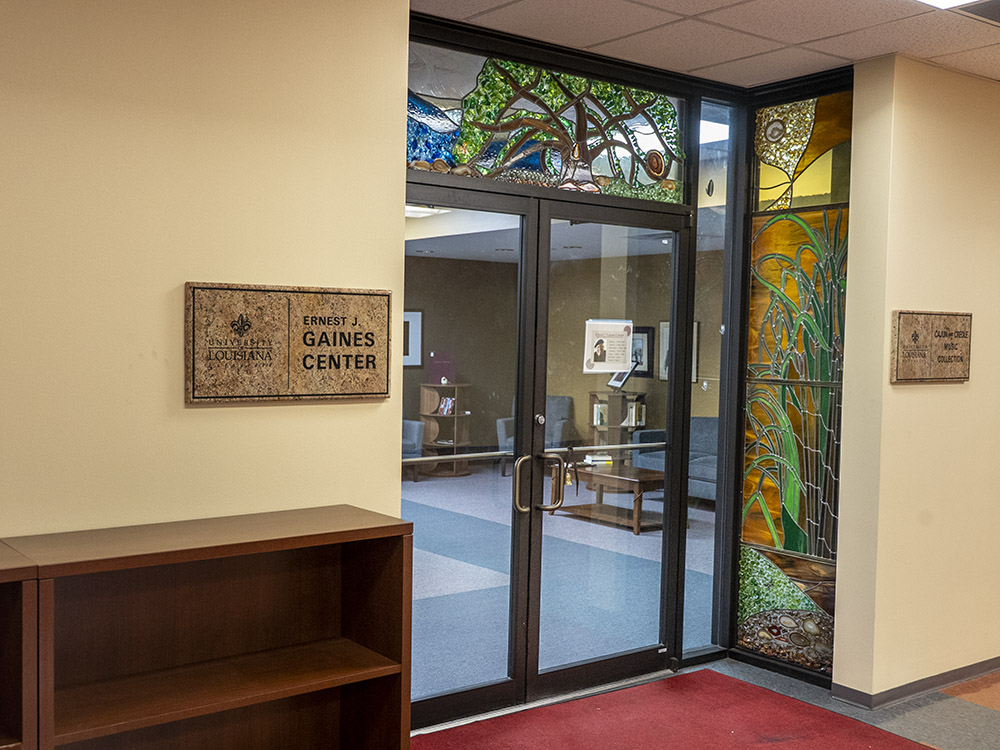
Ernest Gaines became one of Louisiana’s most acclaimed authors by writing about the people, places and experiences he knew growing up in rural Pointe Coupee Parish. Today, his words, manuscripts and personal writing tools are being preserved at the Ernest J. Gaines Center at the University of Louisiana, Lafayette.
preserving a louisiana legacy
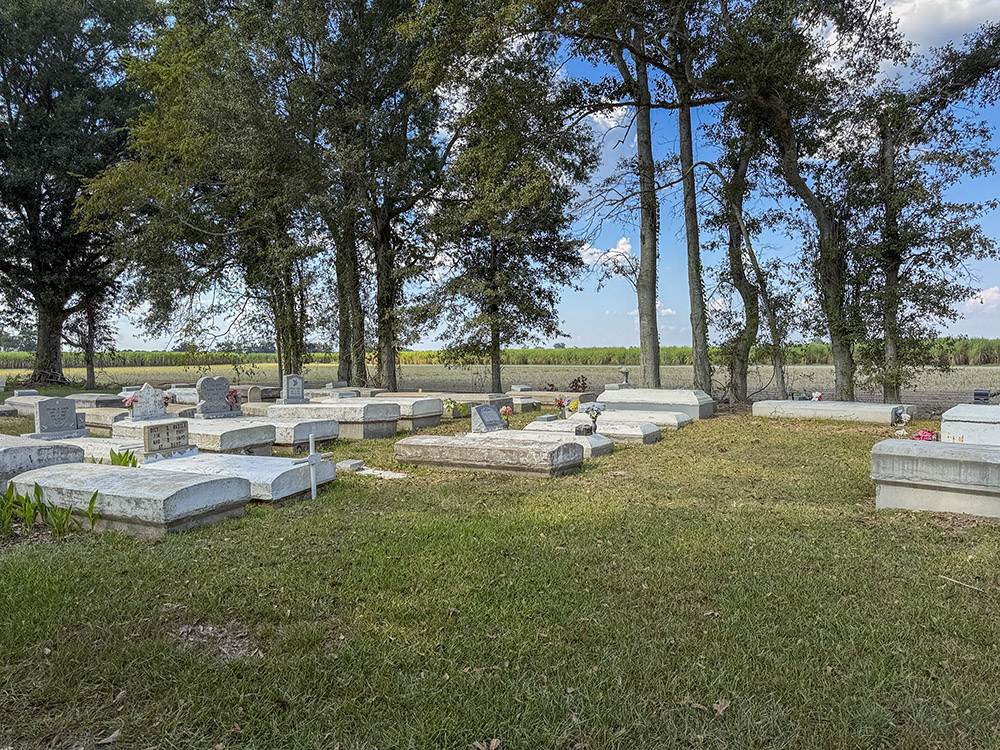
Near Gaines’ home, an old plantation cemetery surrounded by sugarcane fields holds generations of people who lived, worked and died there, some going back to the days of slavery. Many of their burial sites have no tombstones, names or markings to identify them.
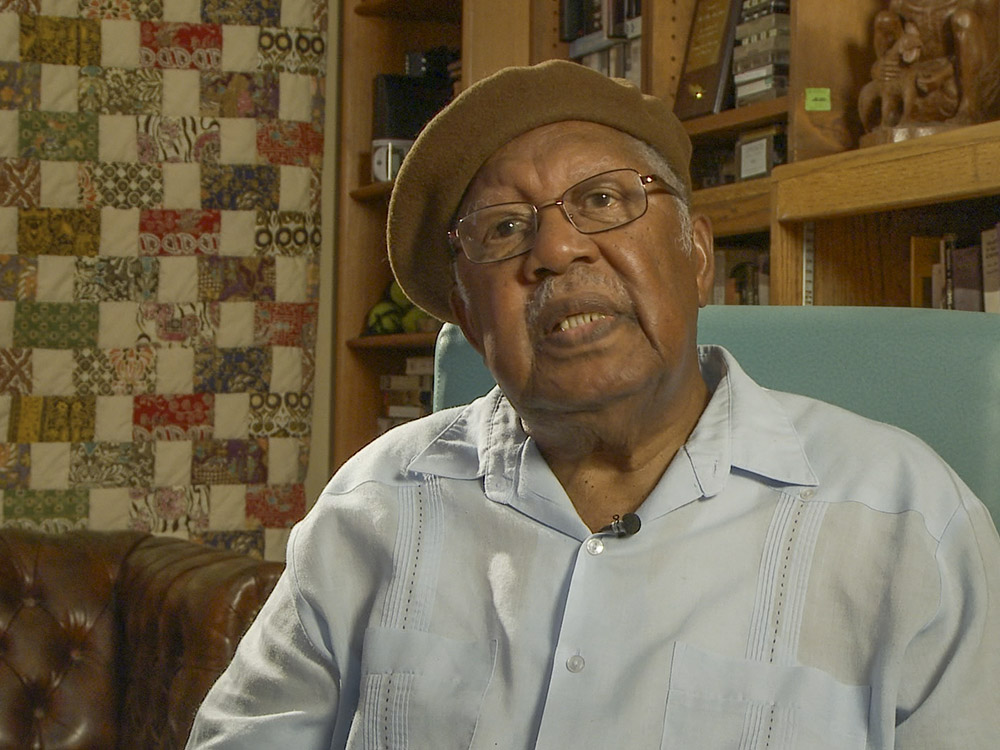
During an interview 14 years ago, Gaines talked about his connection to the people buried there. “All of my people have lived here for five generations, and they’re buried back there in the cemetery about three quarters of a mile from this house,” Gaines said. Their lives, struggles and humanity helped inspire his writing. “The only thing I could write about, my experience of my life and the people I knew and loved,” Gaines said.
ernest gaines manuscripts preserve his writing process
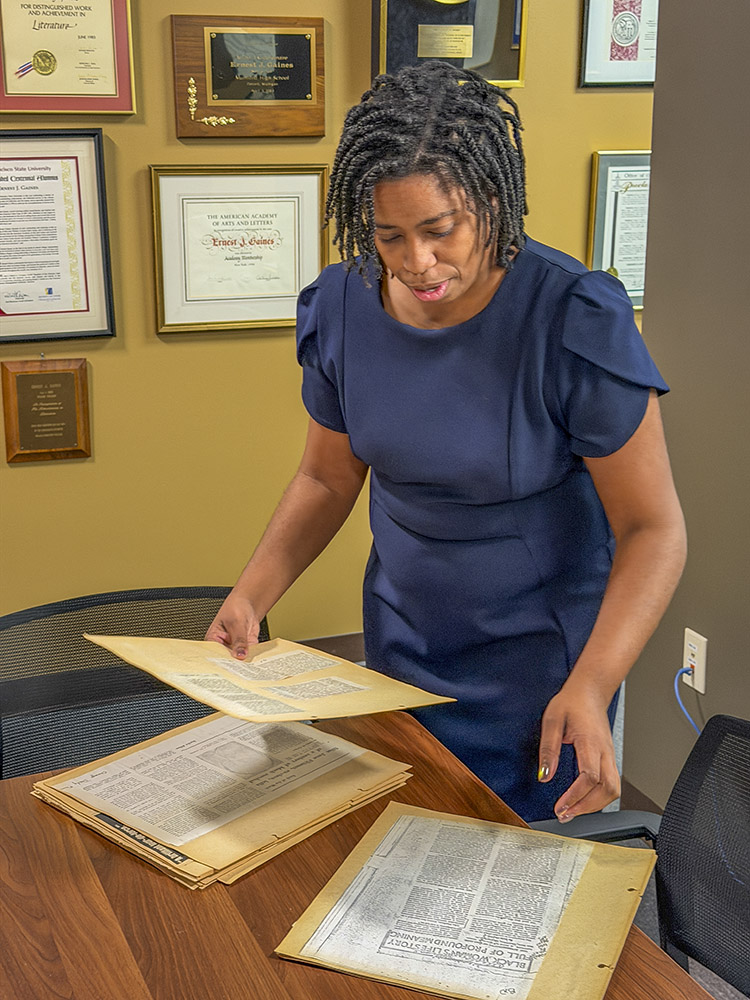
At the Ernest J. Gaines Center, Dr. Cheylon Woods worked with Gaines to create and archive a collection that provides a look at how he turned memories and characters into literature. “So we have the typewriters, we have handwritten drafts, we have pens,” Woods said. “He also kept scrapbooks of his work as like reader reception of his work.” The collection shows a writing process that began by hand and continued on a typewriter, one draft after another.
Woods said Gaines also had a larger purpose behind his stories. “He wanted to give a voice to the voiceless,” she said. Gaines knew those voices were not always heard. He recalled, “There were no books in that library about black people, African American people.”
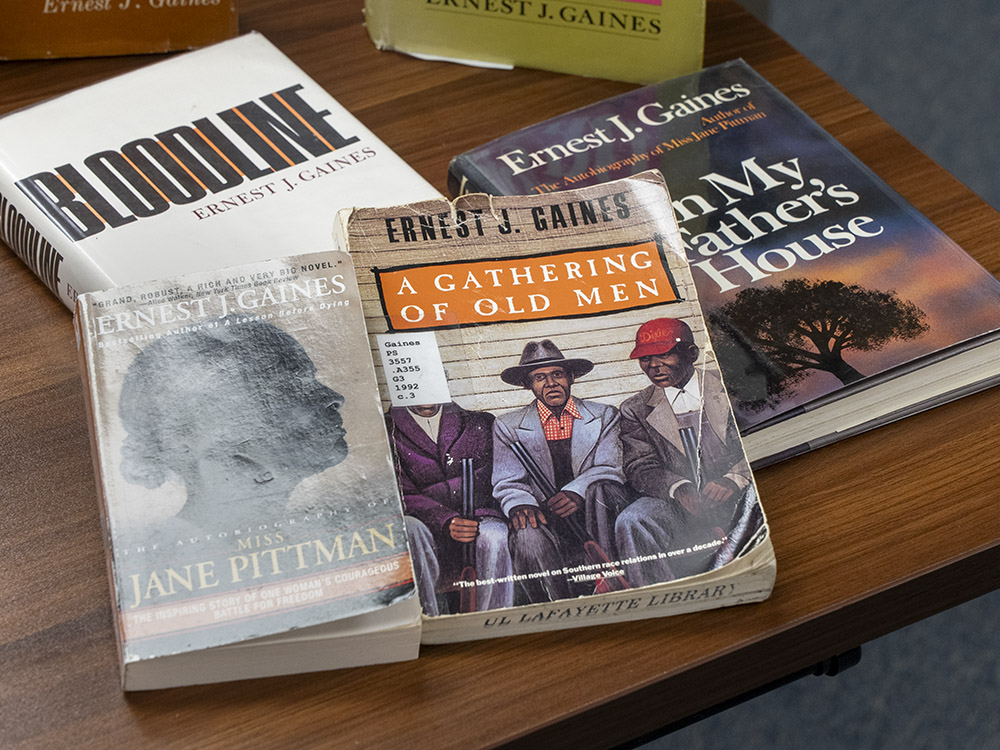
His best-known works include The Autobiography of Miss Jane Pittman, A Gathering of Old Men and A Lesson Before Dying. All three became made-for-TV movies.
ernest gaines – those who had “no mark”
Gaines died in 2019, and he was buried in the same cemetery near his home where generations of people who inspired his writing had been laid to rest. Years earlier, Gaines knew what he wanted written on his tombstone: “To lie with those who have no mark.”
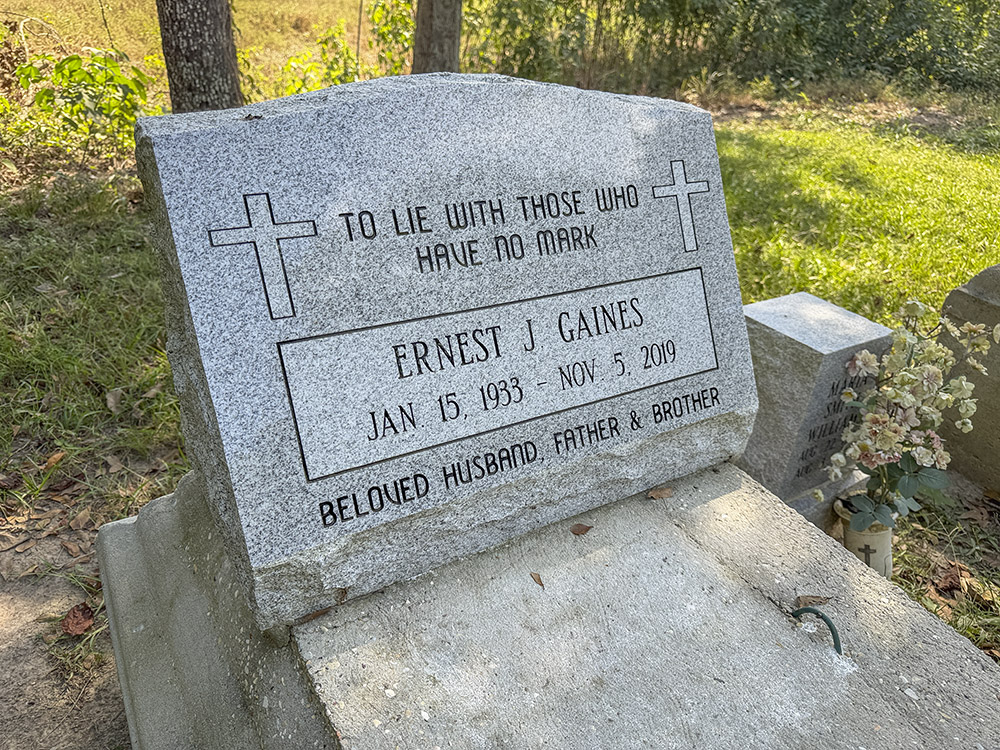
Woods said the words referred to those whom history had forgotten and those “who weren’t allowed to speak up and tell their truth their way.” Gaines explained why those people mattered to him: “Because without those people, I would have had nothing in the world to write about.” Ernest Gaines spent his life giving a voice to people who left behind few records, and in some cases, not even a name on a stone. Now he rests among them, while the stories they inspired live on.
legacy of ernest gaines featured on tv
visit the center
The Ernest J. Gaines Center is located in the Dupre Library, Room 380 at the University of Louisiana, Lafayette. The Center is open Monday-Thursday 7:30am-5pm, and Friday from 7:30am-12:30pm. The address is 400 E. St. Mary Blvd., Lafayette LA. Phone: (337) 482-1848.
Leave a Reply