
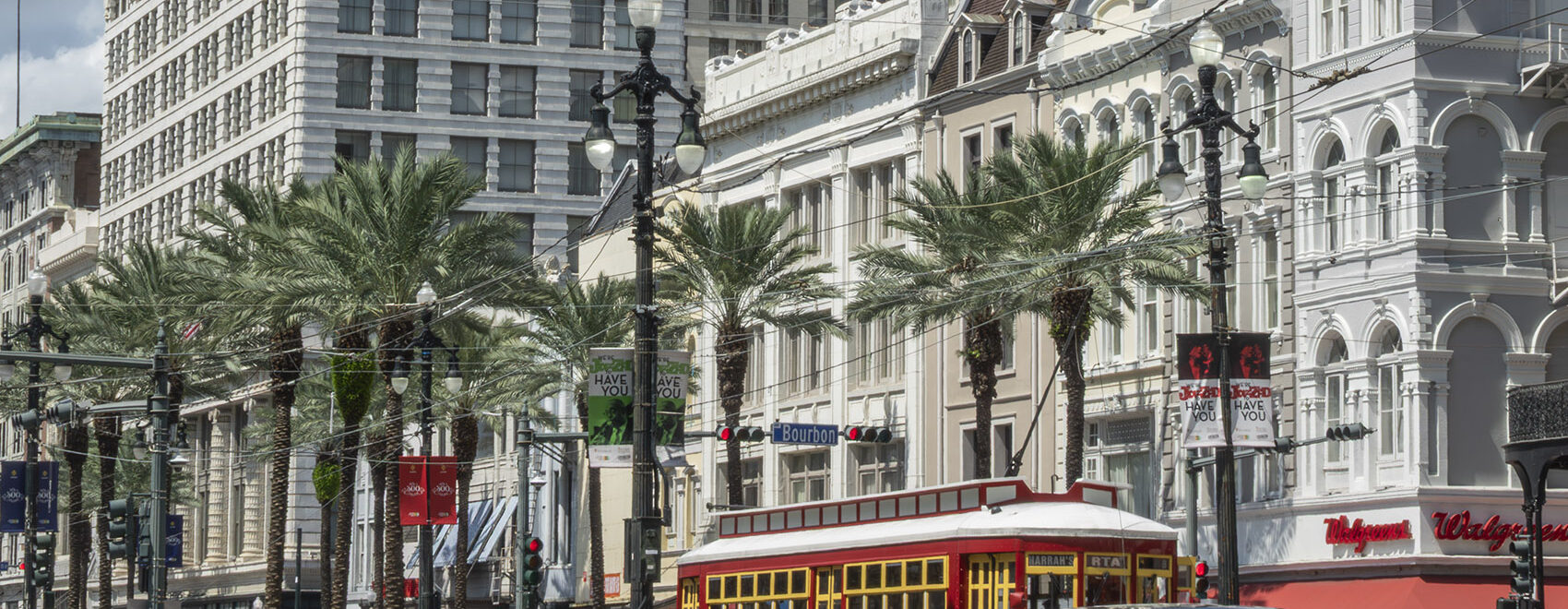
Look up! New Orleans historic buildings offer a window into more than 300 years of the city’s history, revealing changing architecture, growing commerce and the ways people lived in earlier times. A walk-through downtown can become a journey into the past — especially when you stop looking at street level and look up.
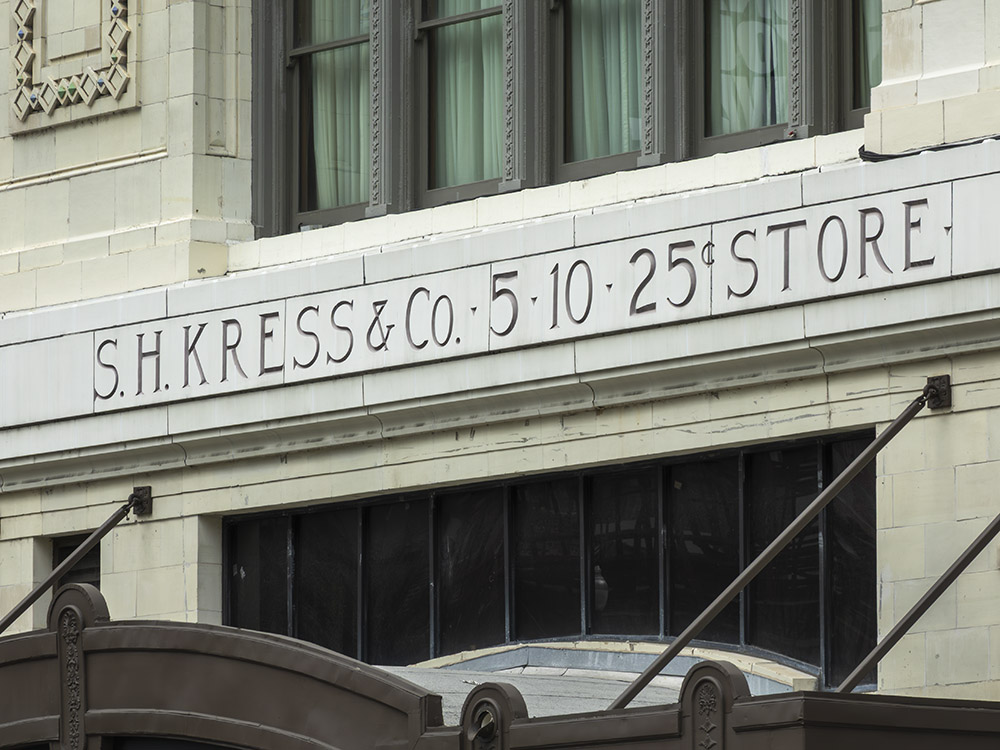
Daniel Hammer of The Historic New Orleans Collection says the buildings themselves can reveal something about the people who came before us. “We can really find out a lot about what our ancestors not only thought was attractive or beautiful but also what it was that they needed in their lives,” Hammer said.
New Orleans historic buildings reach for the sky
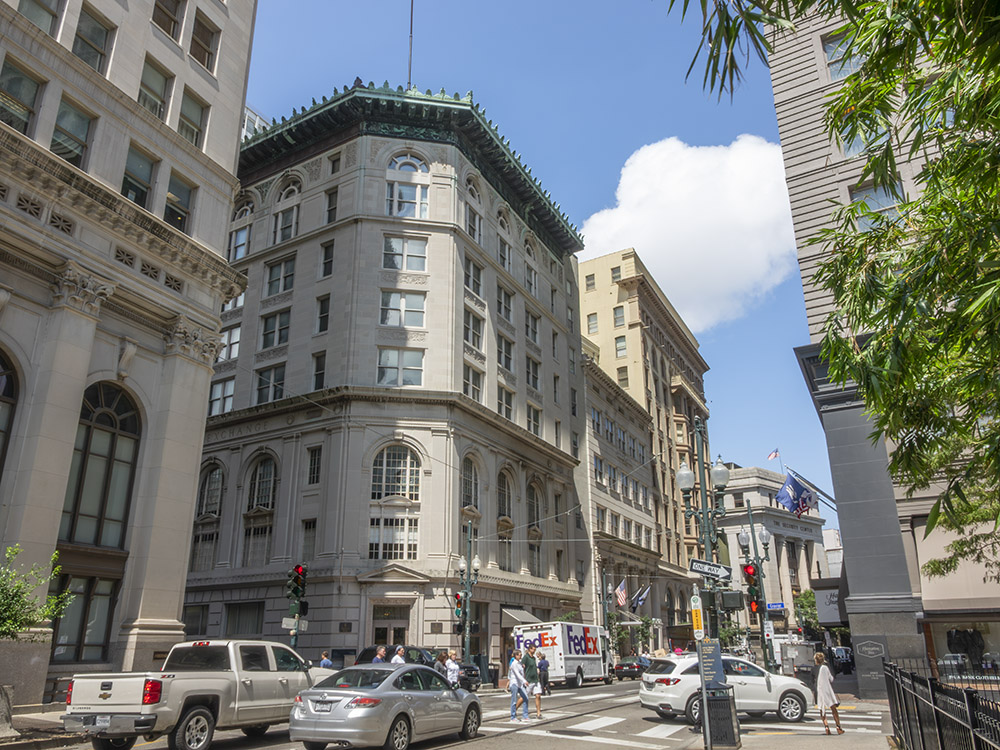
On just one block of Carondelet Street, buildings show the transition from traditional brick and mortar construction to the city’s early skyscrapers.
An 1884 building constructed entirely of masonry was pushing the technology of its time. “They were really stretching the limits of what masonry allowed them to do in terms of height,” Hammer said.
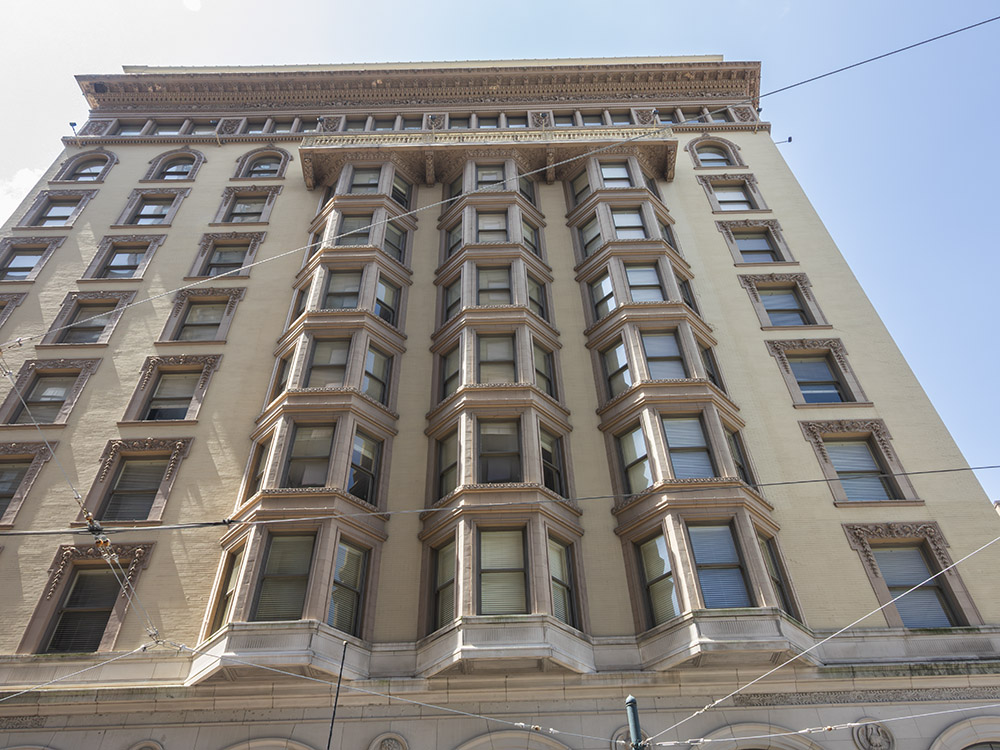
Next door, an 11-story structure became New Orleans’ first skyscraper. Its steel-frame construction allowed the building to rise much higher than masonry structures.
Across the street, the 23-story National American Bank Building reached even farther into the skyline. Completed the same year the stock market crashed, the soaring building is topped by a decorative feature with a practical purpose — what appears to be a gold finial is actually a water tower.
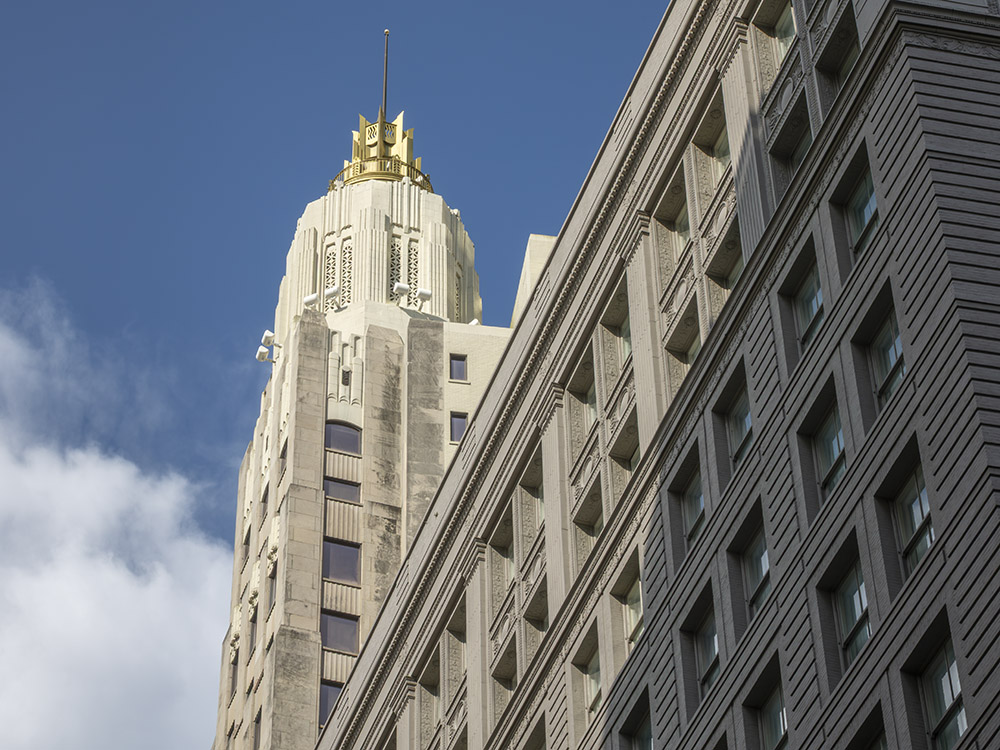
details define new orleans historic buildings
There is more to discover than height. Ornate columns, sculpted lions’ heads and other decorations reflect an era when architects used elaborate designs to make an impression. “The end of the 19th into the 20th century was a time of a new New Orleans coming up,” Hammer said. On Canal Street, the elaborate façade of an 1850s building is made entirely of cast iron. The technique allowed builders to make one mold of a column and reproduce it many times across the front of a building.

preserving the old while creating something new
New Orleans has also found ways to give historic structures new purposes. The former city utility building was transformed into the NOPSI Hotel. In a typical adaptive reuse project, the historic exterior can be preserved while walls and spaces inside are changed.
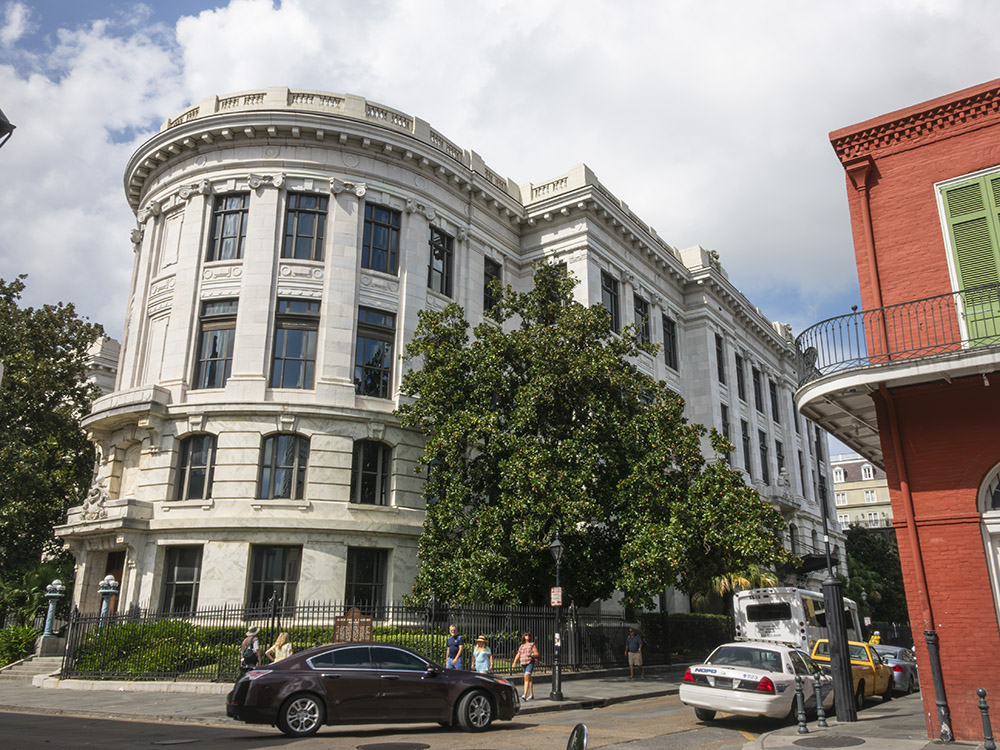
In the French Quarter, an impressive courthouse followed a different path. The building displaced part of the historic neighborhood a century ago, was later abandoned and eventually restored to its original use. Hammer described it as a rare example of a structure preserved not only on the exterior, but completely on the inside.

The result across New Orleans is a blending of old and new — buildings that preserve pieces of the city’s history while continuing to play a role in its future. Sometimes discovering that history requires nothing more than slowing down and looking up.


Leave a Reply