
New Life for Forgotten Music
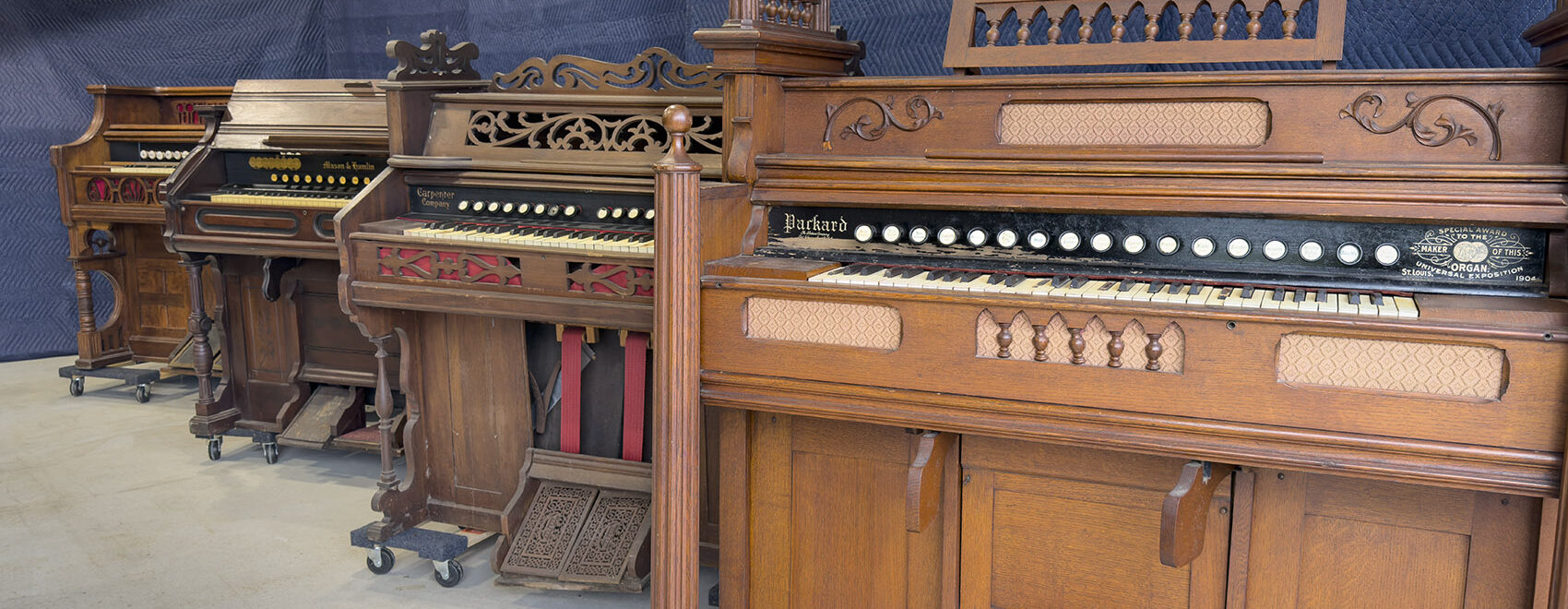
The sound of a reed organ once filled American homes and churches, but today the music of these antique instruments is rarely heard. In the Lafourche Parish community of Golden Meadow, Joshua Rodrigue is bringing those forgotten sounds back to life, restoring instruments that date back more than 150 years. “These instruments were, I guess you could almost call them the sound of the 1800s,” Rodrigue explained. “They were considerably cheaper than pianos.”
Reed organ discovery at an estate sale
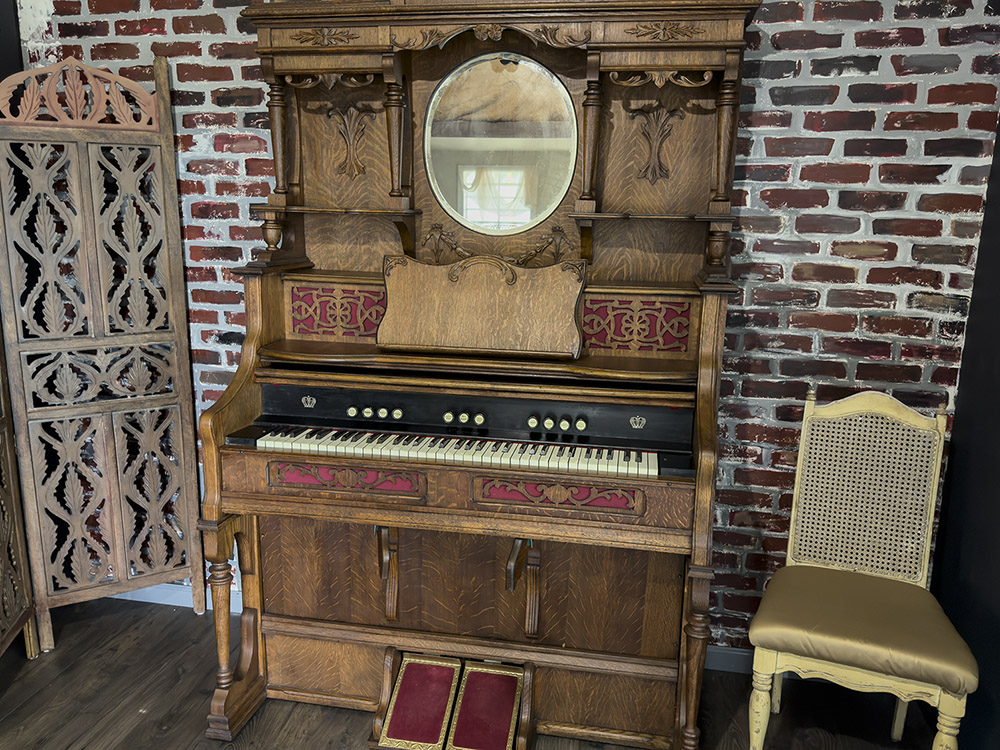
Rodrigue’s unusual hobby began when he spotted an estate sale sign while driving home from work. Inside, he discovered a 1917 reed organ, partially dismantled and unplayable. Although he played piano, Rodrigue had never seen a reed organ before. With some woodworking experience, books and help from the Reed Organ Society, he spent nearly a year restoring the instrument. “I was very impressed with the range of it and the tonality,” Rodrigue recalled. “It’s a very, very cool instrument that’s not heard anymore.”
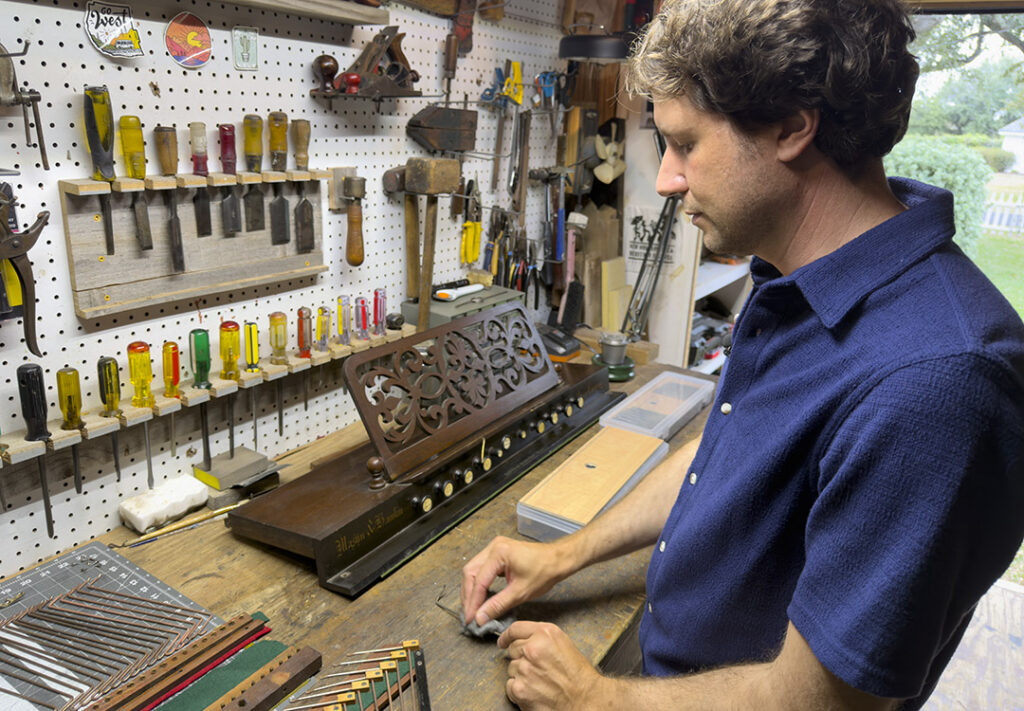
Unlike modern electric organs, these instruments operate entirely through foot power. Pedals activate bellows that draw air across brass reeds, producing musical notes. Restoration requires repairing wooden cabinets, replacing worn leather and felt, and painstakingly cleaning and tuning the brass reeds.
a 150-year-old mystery
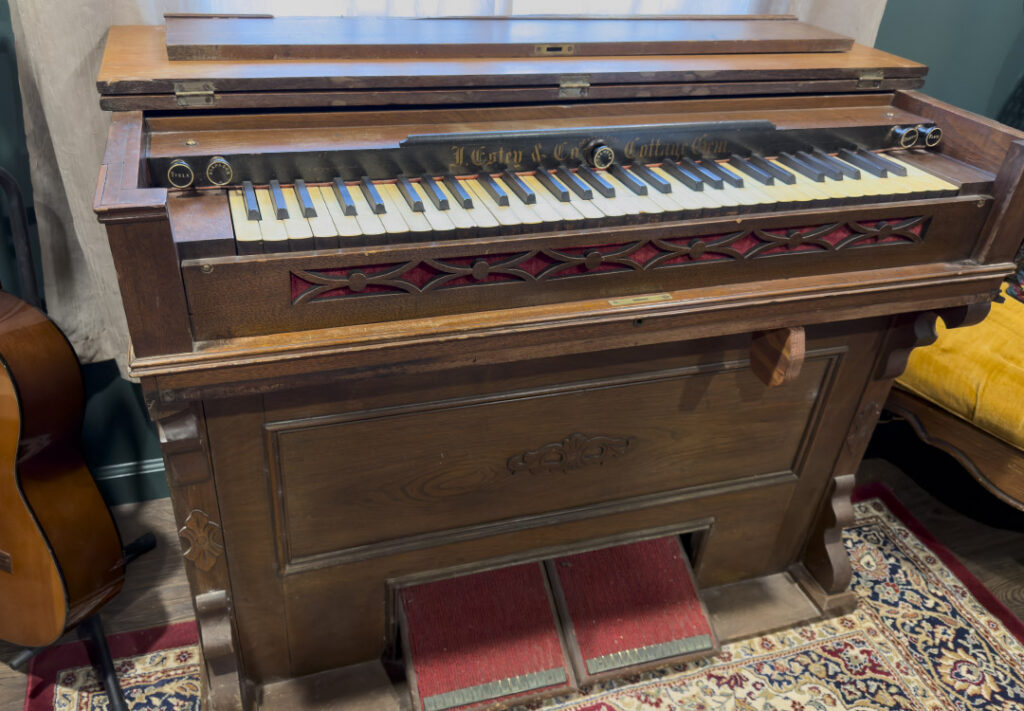
Rodrigue now owns nine reed organs, including an Estey model manufactured in 1871, just six years after the Civil War ended. The instrument still plays, but its long history remains a mystery. “Every time I buy a reed organ I always ask, you know, the owner, can you tell me the history of it?” Rodrigue said. “For this one they bought it at an antique store and that’s as far back as it goes. It’s a real shame that there isn’t more of a history to it.” Another instrument, built in 1876, is currently undergoing restoration in his workshop. Manufactured in Boston, it was shipped to England before eventually returning to America.
preserving the reed organ for future generations
Rodrigue keeps four organs at his home, another at his father’s house, and four more in storage awaiting restoration. His motivation goes beyond collecting antiques. He worries that neglected instruments will eventually be discarded. “You see them for sale and they’re in just such bad shape and you don’t think anyone’s gonna care for them or restore them,” he explained.
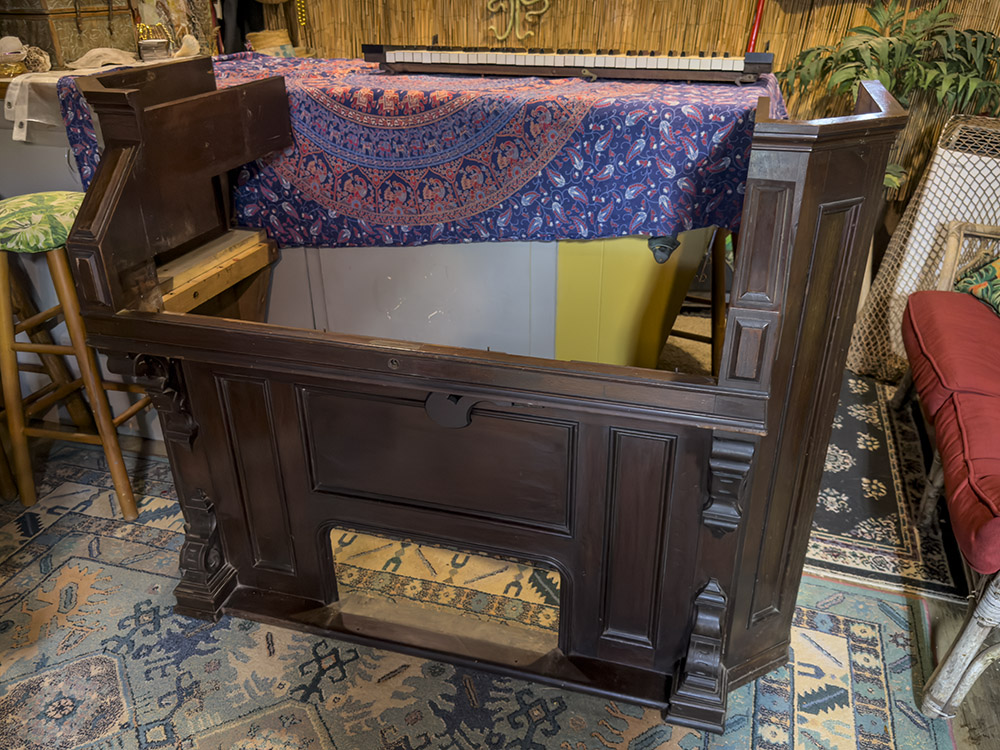
Rodrigue hopes some of his restored organs can eventually be displayed where people can play and appreciate them. “There’s a lot of life left in these instruments and they have a lot of musical potential that’s kind of underrated.” For this Golden Meadow craftsman, every restored organ preserves another piece of America’s musical past.
reed organ restoration featured on tv
contact Joshue rodrigue
If you have questions about restoring a reed organ or know of an unwanted instrument, you can email Joshue Rodrigue at joshrod453453@gmail.com


Leave a Reply