
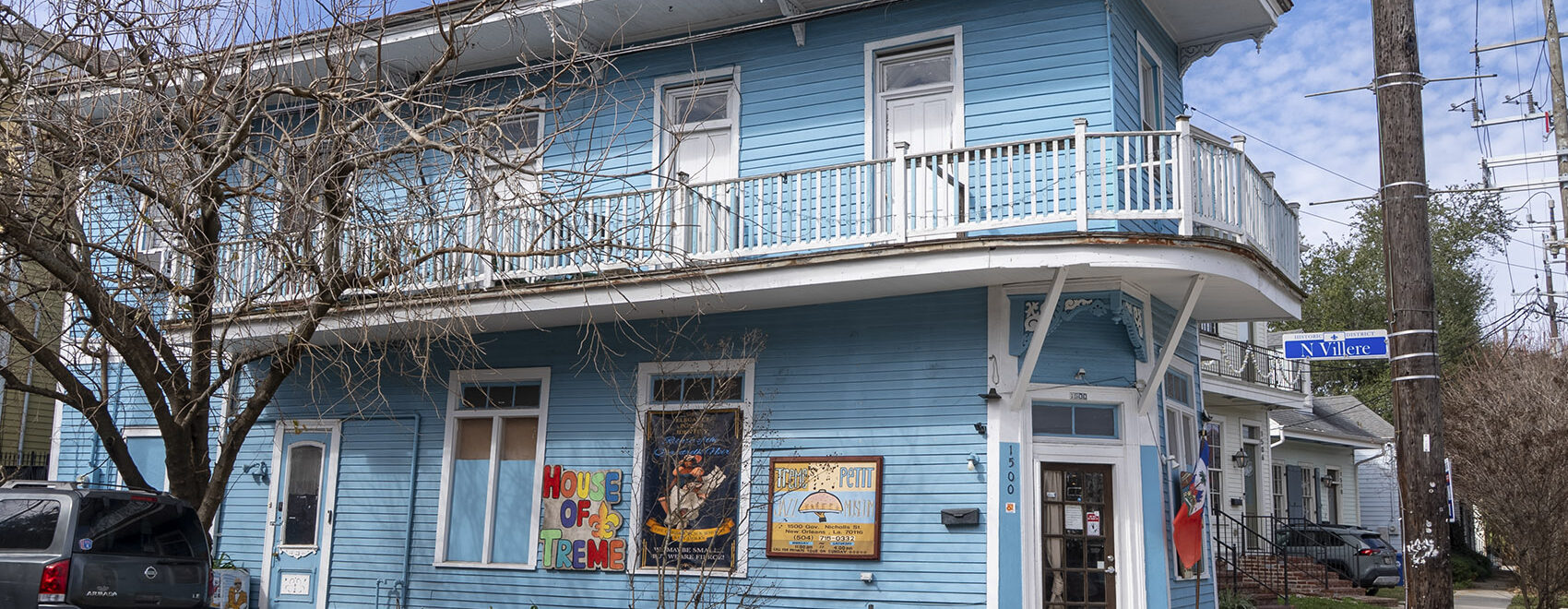
The story of New Orleans jazz begins with the soft click of a cassette player in the city’s historic Treme neighborhood. As Duke Ellington’s Mood Indigo plays through a portable tape deck, visitors stepping into the Treme Petit Jazz Museum find themselves surrounded by instruments, photographs, and paintings that follow the evolution of the music that became jazz.
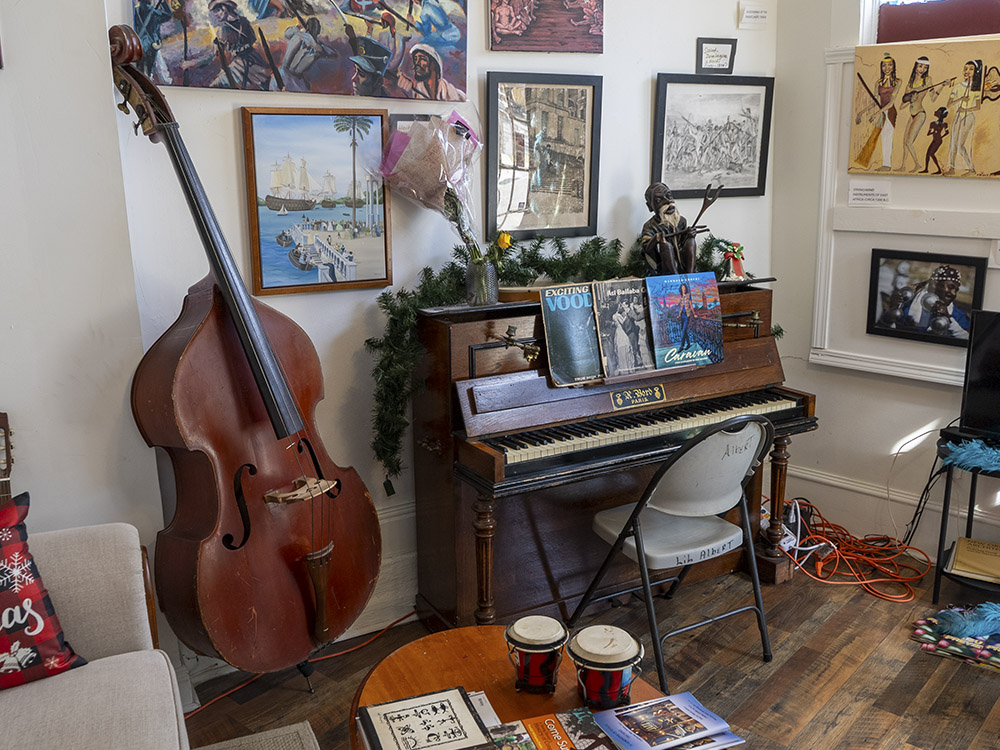
jazz history spans thousands of years
Museum founder Al Jackson insists that the history of jazz stretches far beyond this neighborhood—across continents and back thousands of years. Jackson opened the small museum in 2017 to showcase his personal collection of historic images and artifacts. But the real experience is the tour he leads himself. “I stopped researching in 1300 BC,” Jackson says. “I thought that was far back enough to bring it forward to 2026 today.”
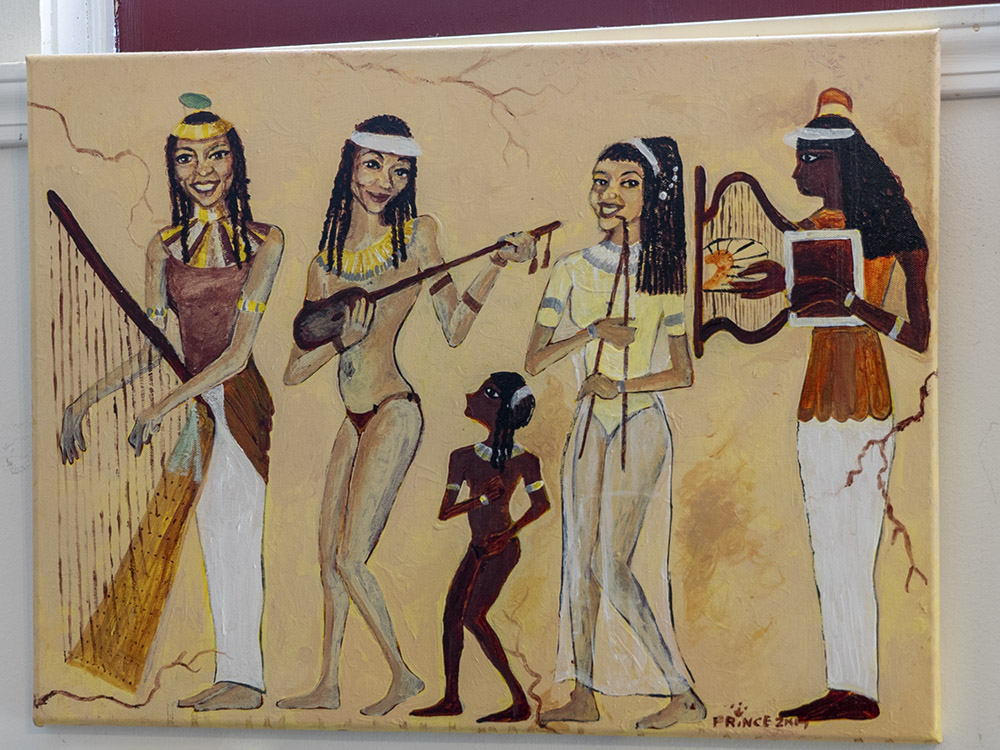
Treme jazz and ancient beginnings
For Jackson, the roots of jazz begin in ancient Egypt. He gestures toward a painting of women playing early instruments. “The harp, the oud, the flute and the lyre were birthed in Africa, not in Europe, unlike popular belief,” he explains. From there, Jackson follows the sounds of West and East African music as it crossed the Atlantic and mingled with the cultures of Saint Domingue (Haiti), the Dominican Republic, and Cuba.
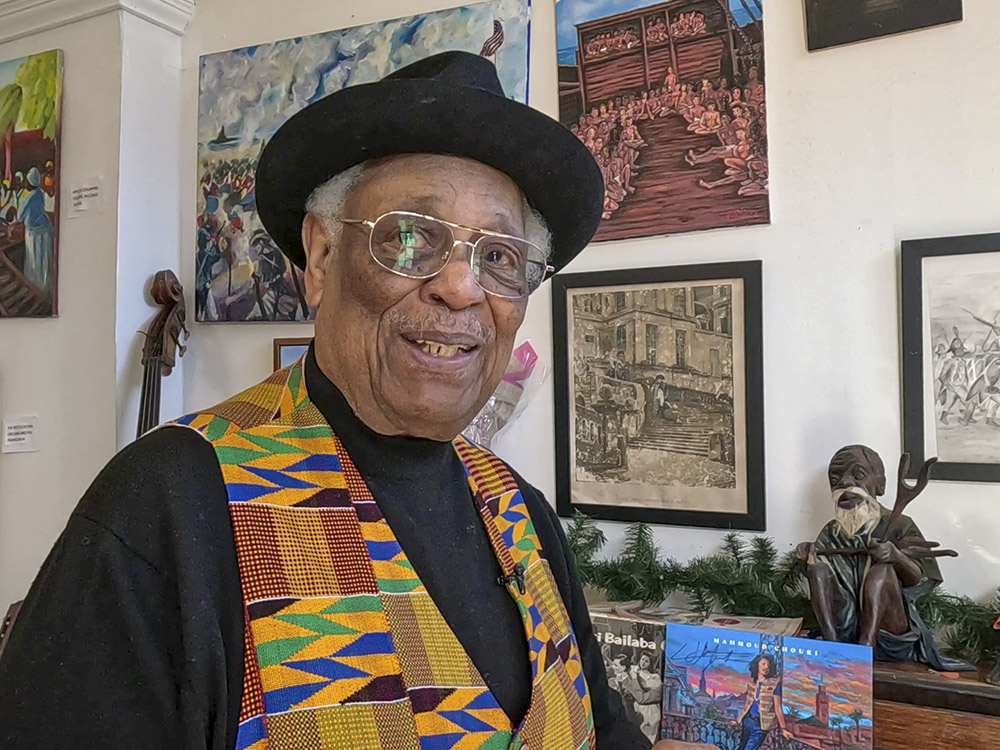
“We start off with the sound of West African, East African music,” Jackson says. “By the time we get to Cuba, that whole evolution is a blending of cultures… Bolero, Rumba… and all came to New Orleans.” Visitors get hands-on lessons tapping out rhythms. Jackson shows them a painting of free people of color dancing in the Theatre d’ Orleans, today’s Bourbon Orleans Hotel.

the civil war, brass bands and treme jazz traditions
The museum’s story moves into the 1800s, when the Civil War and its aftermath added a new musical chapter. “Thanks to Abraham Lincoln and General Benjamin Butler,” Jackson says, “Freedmen of Color as well as recently freed enslaved Africans became soldiers. And the Prussians… taught them to play European brass band instruments. Today we call that second line bands.” Jackson explained that the brass band sound blended, “with the sashaying of African footbeats from the West Coast of Africa …. peanut butter and jelly, Creole gumbo!”
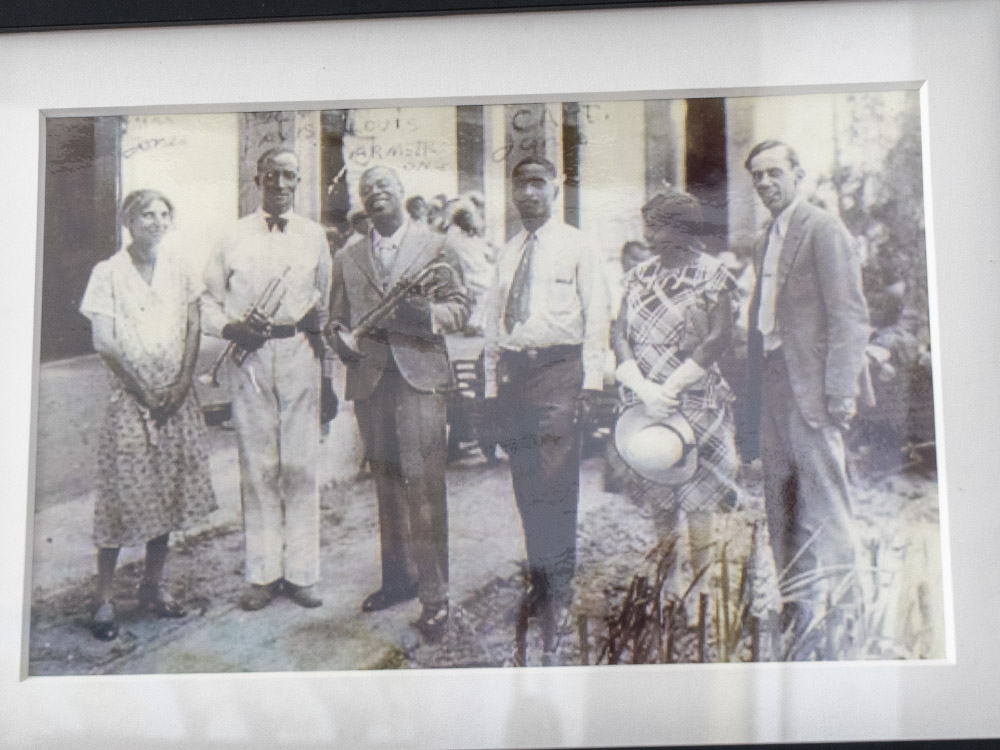
history saved in old union hall
Jackson’s research extends deep into the archives—baptismal records, lost documents, and contracts recovered from the old Negro Musicians Union Hall. Among them are agreements for Professor Longhair, Huey Smith, Little Richard, Fats Domino, and many others. “The list goes on and on,” he says. “It’s amazing that we’re able to find and preserve those documents for posterity.”
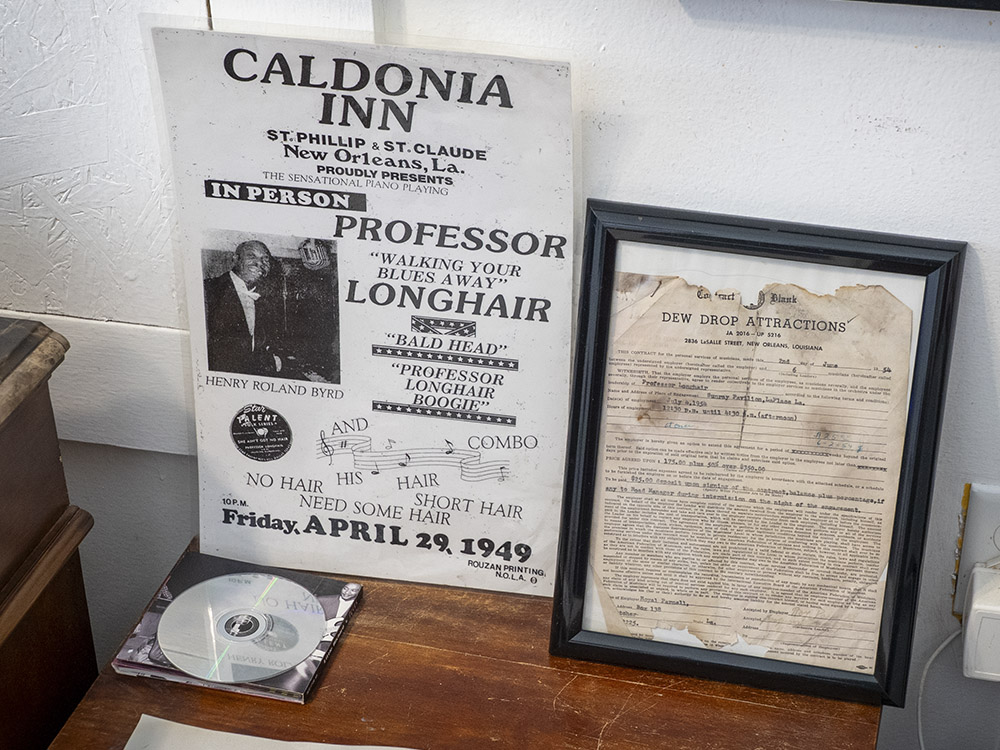
Jackson agrees that jazz was born in New Orleans, though he believes that without the revolution in Saint Domingue, it might have emerged in Santiago, Cuba. “How people from 3,000 years ago found a way to make friends… entertain each other… and allow the sound of music to grow,” Jackson says. “And today we enjoy it as jazz.”
visiting Treme’s petit jazz museum
The museum is located at 1500 Governor Nicholls Street in the Treme neighborhood of New Orleans. Hours of operation: Monday – Saturday 11am-4pm. For more information, click here for the museum’s website.
Gary Jackson
Excellent article of historical and cultural values Hope it’s not lost or forgotten. It can be used as an excellent foundation to build on
Terri Jackson
Everyday, I thank God you were able to have this information to pass on. Knowledge is power, we must never forget.Thank you, for being a positive role model in Our City.