
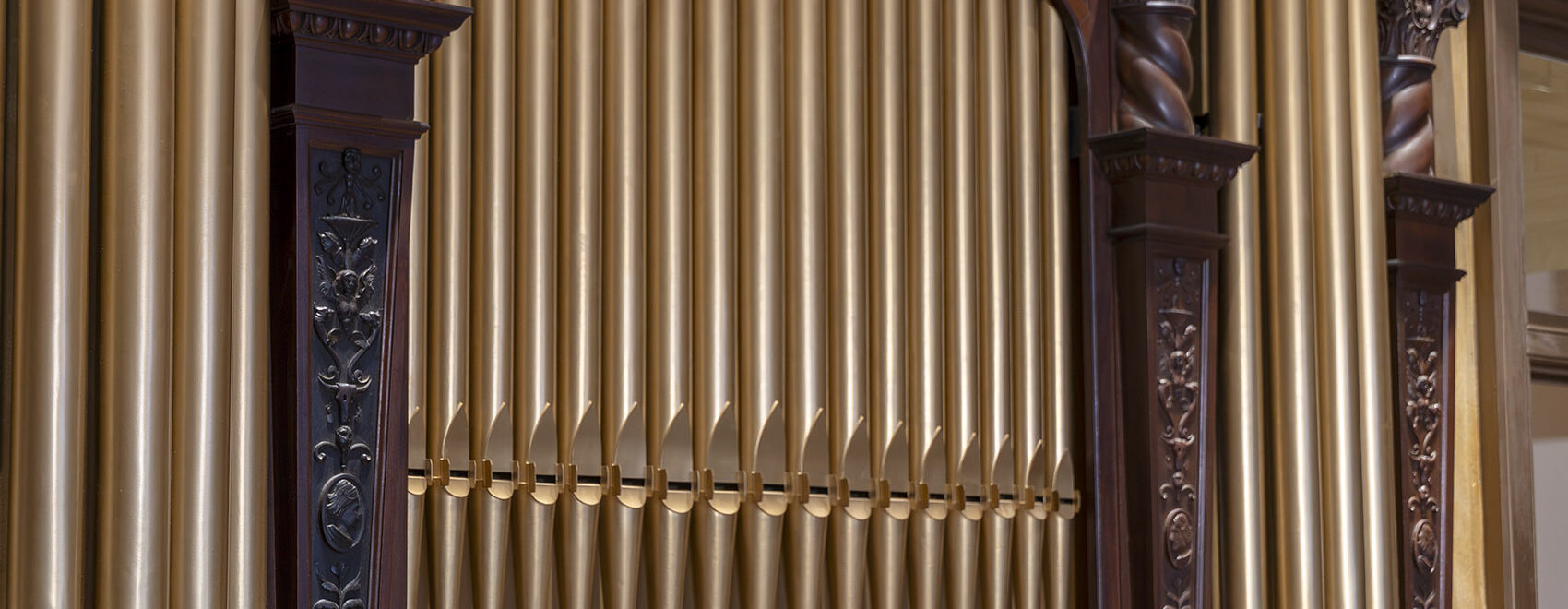
The Aeolian organ has found its voice once again in New Orleans’ French Quarter. After a complete restoration, a 100-year-old self-playing pipe organ is filling the halls of The Historic New Orleans Collection with music that once entertained some of America’s wealthiest families.
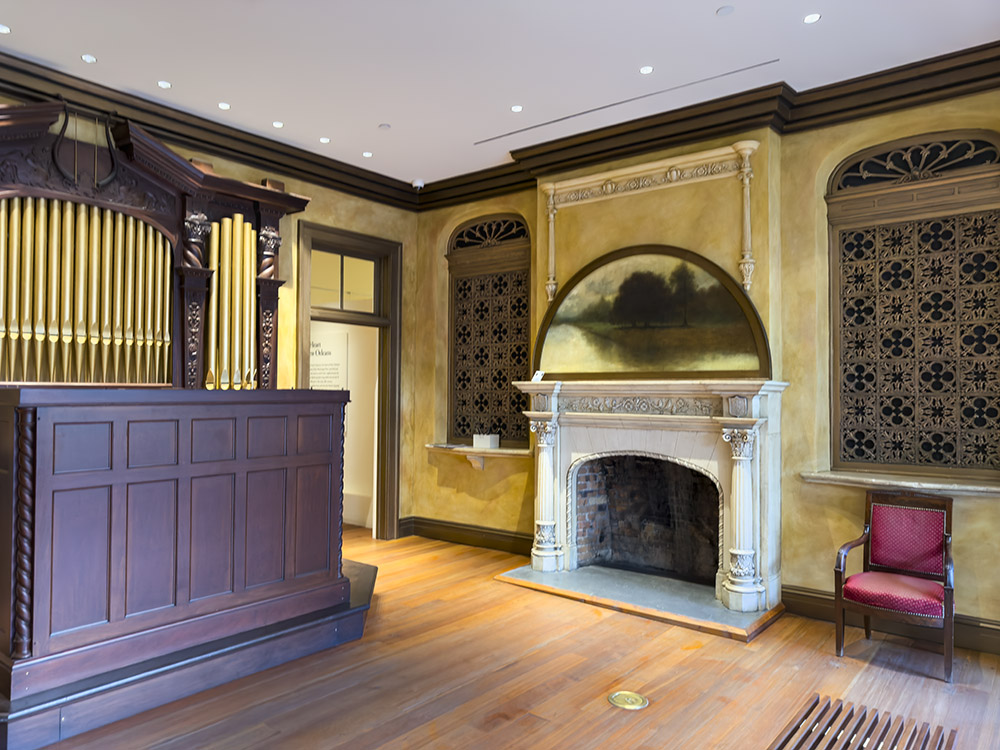
The Aeolian Organ – the ultimate home entertainment system
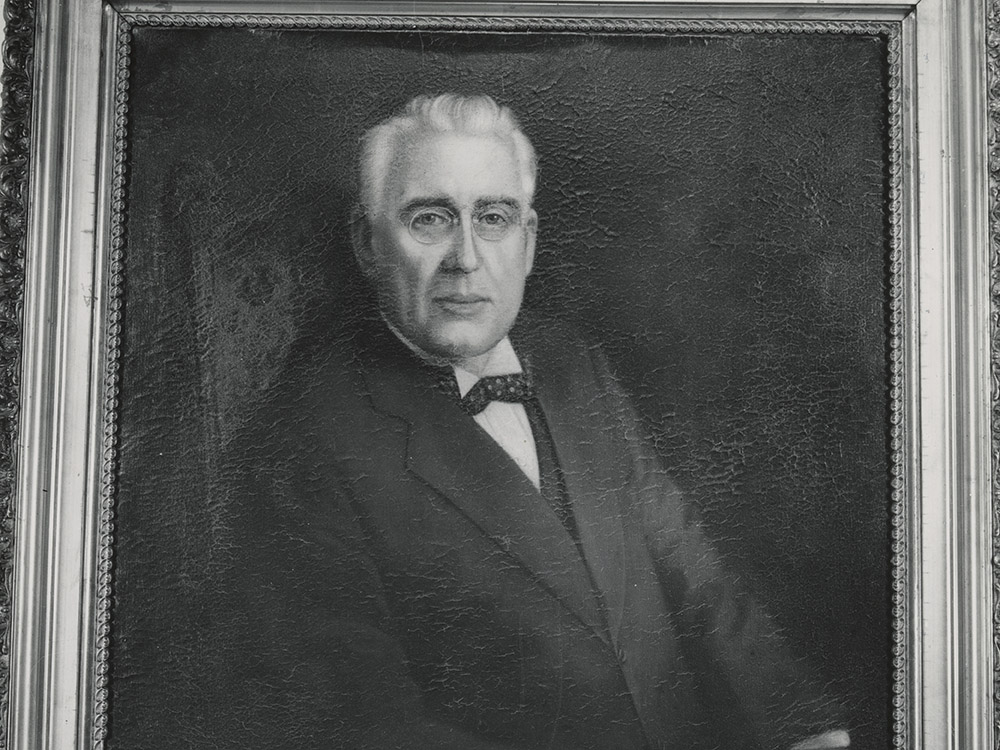
Long before radios and home stereos became common, the Aeolian organ represented the very latest in entertainment technology. New Orleans businessman William Ratcliffe Irby purchased the custom-built instrument and installed it in the entry hall of his French Quarter Home. That building is now part of The Historic New Orleans Collection.
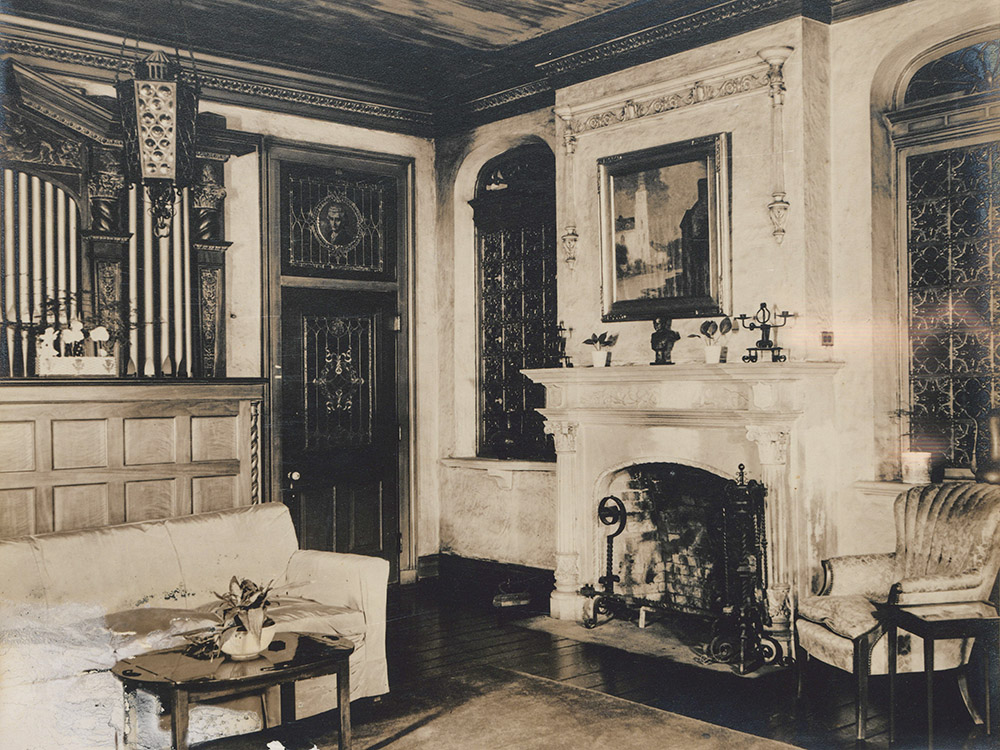
Interpretive historian Joanna Robinson says these organs were both musical instruments and status symbols. “They were on the one hand symbols of wealth and status,” Robinson said. “They were also musical instruments that kind of represented the pinnacle of technology.” Irby joined an exclusive group of owners that included some of the nation’s most famous families. Robinson says Vanderbilt, Guggenheim, Carnegie and Mellon all commissioned Aeolian organs for their homes during the early twentieth century.
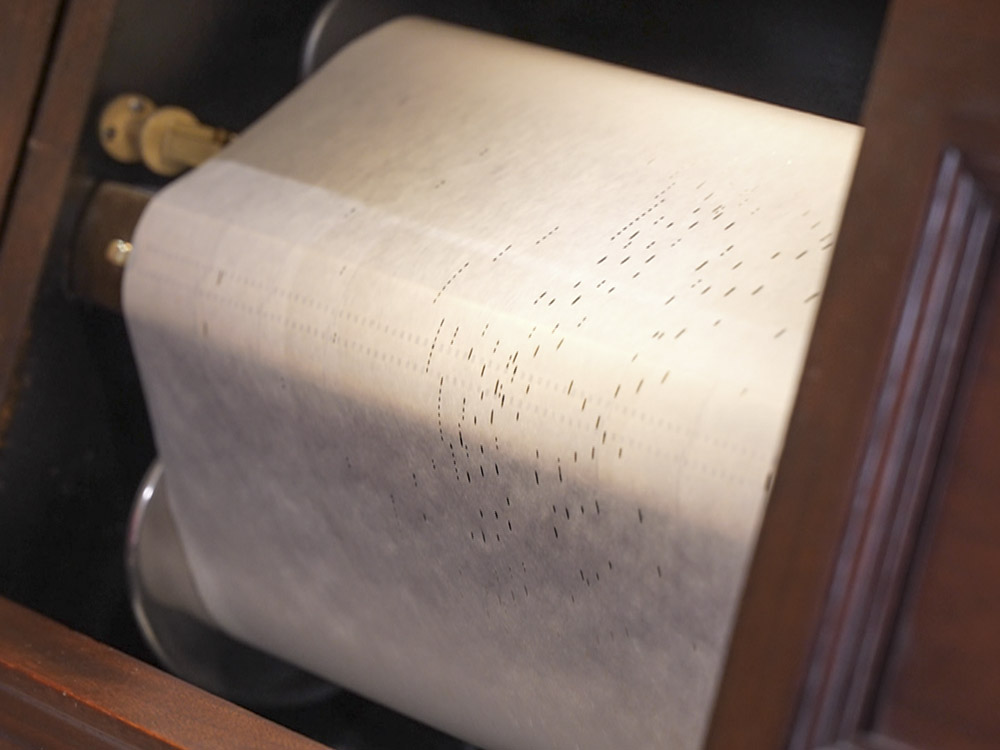
Aeolian organ uses recorded music rolls
Like a player piano, the pipe organ can perform automatically using specially designed paper rolls. Tiny perforations in each roll control every note, the volume, and even the organ’s different sound settings. Professional musician Bobby Skinner, who collects automatic musical instruments, recently had the opportunity to play the restored organ. “It just gave me goosebumps because I was like I was sitting back in the 1920s and being able to experience the sound of the ’20s,” Skinner said. He explains that each paper roll actually preserves a live performance by an organist. The performances were carefully edited before the finished rolls were sold to customers, much like music is produced in recording studios today.
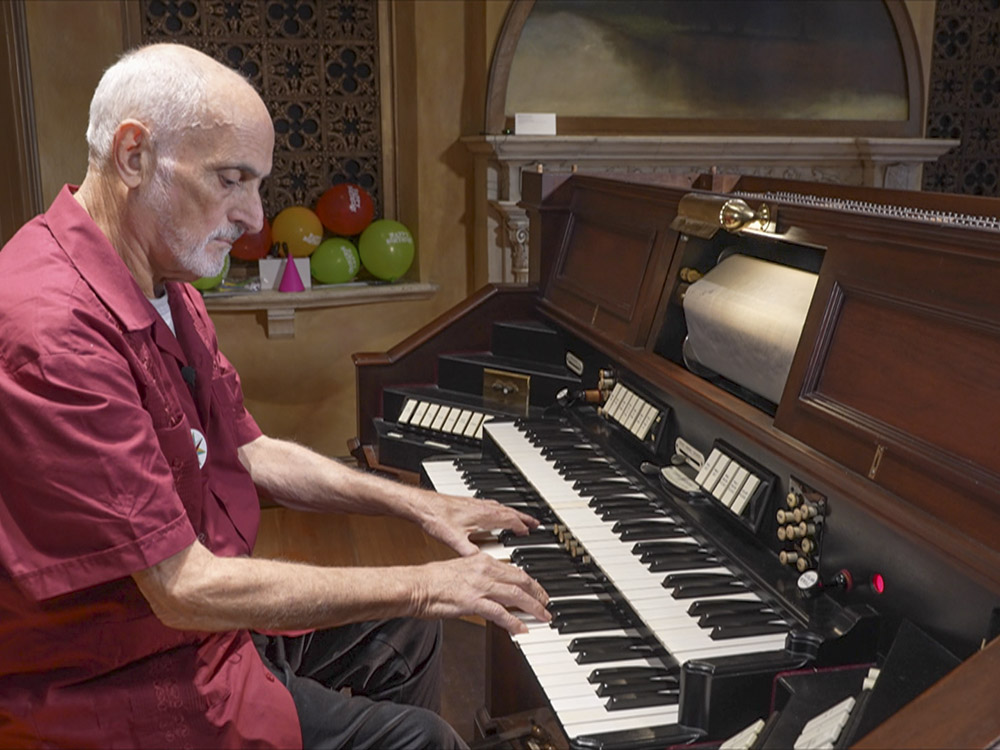
A century-old treasure continues to perform
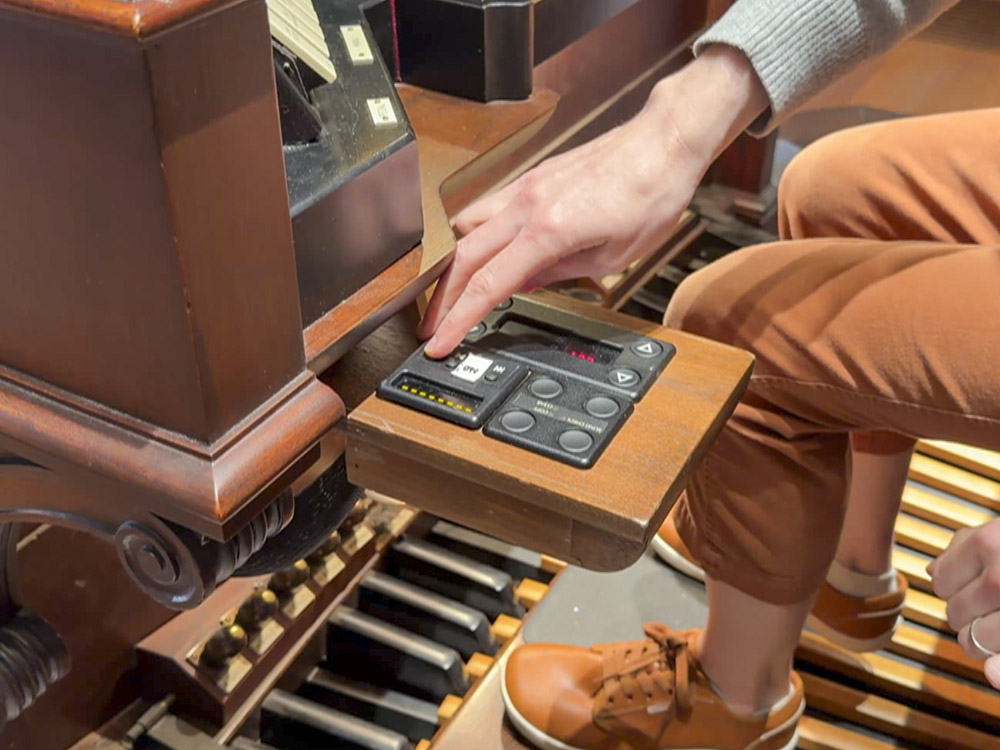
Although the original paper rolls are still preserved, The Historic New Orleans Collection now uses a modern MIDI recording system for most daily demonstrations. Guest organists are recorded electronically, allowing the performances to be replayed without damaging the century-old rolls. “We have a MIDI system that we use so that we don’t have to use rolls and put wear and tear on the rolls,” explained visitor services specialist M X Turner.
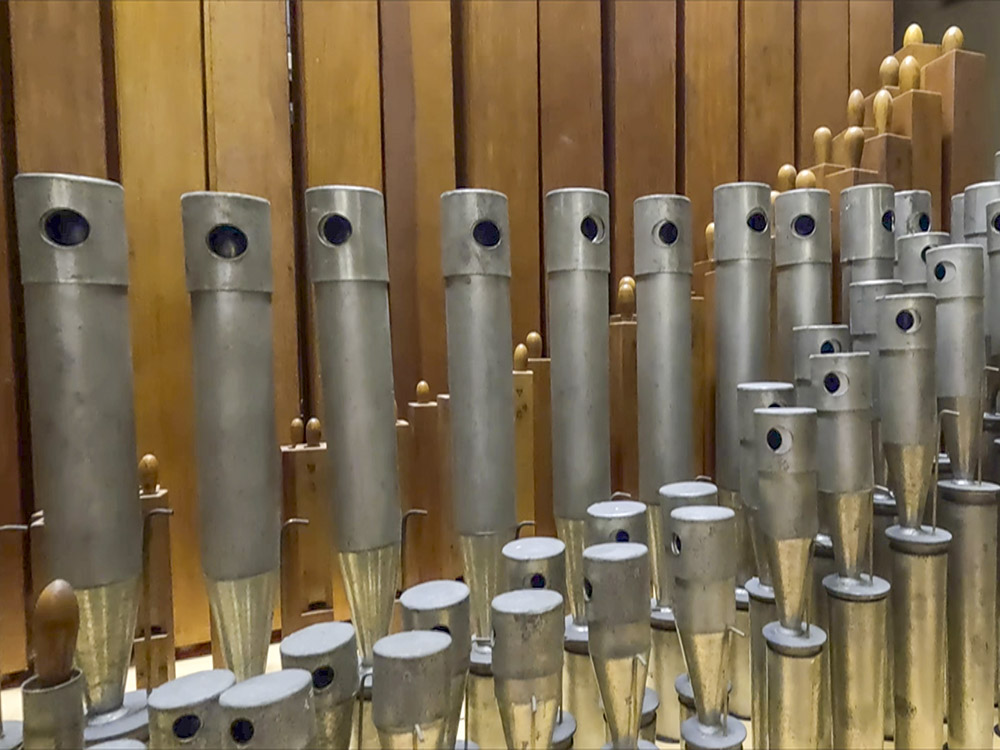
The decorative metal pipes displayed on the walls are only for appearance. The organ’s 642 working pipes are hidden behind screens inside the surrounding walls, creating an impressive surround-sound experience for visitors. According to public programming coordinator Dhani Adomaitis, only four Aeolian organs of this type are still known to remain fully functional in their original locations. “We’re very lucky that this has stayed in such good shape and that we’re able to show you its fully functioning self today,” Adomaitis said.
new orleans’ aeolian organ featured on tv
Daily demonstrations now give visitors an opportunity to hear not only a beautifully restored pipe organ, but also one of the most sophisticated home entertainment systems of the Roaring Twenties. Free demonstrations are offered Tuesday – Sunday, 11am and 3pm. CLICK HERE for the latest information from The Historic New Orleans Collection.
getting there
The Aeolian organ is displayed in The Historic New Orleans Collection’s Seignouret-Brulatour Building at 520 Royal Street, New Orleans.
520 Royal St, New Orleans, LA 70130

Leave a Reply